

DISCOVER THE DIFFERENCES BETWEEN BIOMASS AND LNG
05/05/2026The demand for clean and sustainable energy is increasing globally. In this context, biomass and liquefied natural gas (LNG) are emerging as two promising alternatives. Understanding the characteristics, advantages, and disadvantages of each is essential for making optimal energy decisions.
1. What is Biomass?
Biomass is a biological material derived from living or recently deceased organisms, storing chemical energy through photosynthesis.
• Sources: Agricultural waste (straw, bagasse, rice husks, coffee husks), forestry waste (wood chips, sawdust, wood chips, dry leaves), organic waste from urban and industrial sources, and specialized energy crops (such as Melaleuca alternifolia, Acacia mangium).
• Common forms of biomass:
- Solid: Wood pellets, wood chips, rice husks.
- Liquid: Bioethanol (from corn, sugarcane), Biodiesel (from vegetable oils).
- Gas: Biogas (from animal manure, organic waste).
• Properties: A renewable fuel with carbon neutral potential (if managed and used sustainably, the amount of CO2 emitted during combustion is equivalent to the amount absorbed by growing plants).
.jpg)
2. What is LNG?
LNG (Liquefied Natural Gas) is natural gas that has been cooled to approximately -162°C to convert it into a liquid state.
• Main composition: Primarily methane (CH4), accounting for about 90-95%, along with small amounts of ethanol, propane, and butane.
• Origin: Extracted from natural gas fields underground and on the seabed.
• Key characteristics: Colorless, odorless, non-toxic, and non-corrosive to equipment. In liquid form, LNG is safer than compressed gas.
• Benefits of liquefaction: Reduces volume by approximately 600 times compared to gas, making the storage and transportation of large quantities of natural gas over long distances more efficient and economical, especially by sea.
.jpg)
3. Detailed Comparison Table of Biomass and LNG Fuels
|
|
Biomass |
LNG |
|
Origin |
Organisms and plants: agricultural and forestry by-products, organic waste. |
Liquefied natural gas extracted from mines. |
|
Main components |
Various organic compounds (cellulose, hemicellulose, lignin). |
Primarily methane (CH₄ ~95%). |
|
CO2 Emissions |
Carbon neutral (the amount of CO2 emitted during combustion is equivalent to the amount absorbed by the plants as they grow). |
Lower than coal (40-45%) and petroleum (25-30%) when burned. However, methane leakage in the supply chain is a problem. |
|
Other Emissions |
Less SOx, NOx, and fine particulate matter than coal. Dust may be generated if the combustion technology is not suitable. |
Almost no SOx or fine particulate matter. 90% reduction in NOx compared to traditional fuels. |
|
Fuel Costs |
Fuel Costs Often competitive, potentially cheaper than LNG in some areas. Dependent on local supply. |
Prices fluctuate according to the world market. Low operating costs due to high efficiency and equipment lifespan. |
|
Combustion efficiency |
Depending on the type of biomass and boiler technology, it may burn slower and require a larger combustion space. |
High efficiency, clean combustion, high flame temperature. |
|
Storage & Transportation |
Difficult in raw form (scattered, low density), requires processing (pellets) for optimization. |
Easy to store and transport in liquid form (volume reduced 600 times) by specialized vessels. |
|
Infrastructure |
Requires specialized biomass-fired boiler systems. |
Requires complex systems: import port, storage tanks, regasification plant. |
|
Main Applications |
Industrial boiler combustion, electricity generation, heat, biofuels, fertilizers. |
Power generation, industrial fuel (steel, cement, ceramics production), domestic (cooking, heating), transportation. |
4. In-depth analysis of comparison criteria
· 4.1. Environmental impact:
- Biomass: Considered carbon neutral because the CO2 released during combustion is reabsorbed by plants in their new growth cycle. Significantly reduces SOx, NOx, and particulate matter emissions compared to coal, while also contributing to the treatment of organic waste.
- LNG: Significantly lower CO2 emissions than coal (40-45% reduction) and petroleum (25-30% reduction), with almost no SOx and particulate matter emissions. However, the biggest challenge is methane (CH4) leakage during extraction, transportation, and use. Methane is a greenhouse gas with a much stronger global warming potential than CO2 in the short term (GWP 25-86 times over 100 years).
· 4.2. Cost and Economic Efficiency:
- Biomass: Fuel costs can be low and stable, especially in areas with abundant agricultural/forestry by-products. Initial investment costs for specialized biomass-fired boiler systems may be higher than traditional coal-fired boilers but are generally much lower than LNG systems.
- LNG: Initial infrastructure investment costs are very high, including liquefaction plants, storage tanks, ports, and regasification stations. However, LNG offers high energy efficiency and lower operating costs due to superior combustion efficiency, less equipment corrosion, and reduced maintenance costs. Fuel prices fluctuate according to the global energy market.
· 4.3. Applications and Infrastructure:
- Biomass: Suitable for industrial boilers producing heat and electricity, especially in industries with readily available by-products such as textiles, paper, and agricultural processing. Requires specialized boilers and large feedstock storage systems.
- LNG: Its applications range from large-scale power generation and fuel for heavy industries (steel, cement, ceramics) to domestic use (cooking, heating) and transportation (ships, heavy trucks). It requires complex and integrated infrastructure for liquefaction, transportation, and regasification. LNG?
The choice between biomass and LNG depends on the specific factors of each project and business objectives:
• Supply: If there is an abundant and stable local supply of agricultural/forestry by-products, biomass is an attractive option in terms of cost and sustainability. If a large-scale, stable, easily transportable, and storable energy source is needed, LNG may be more suitable.
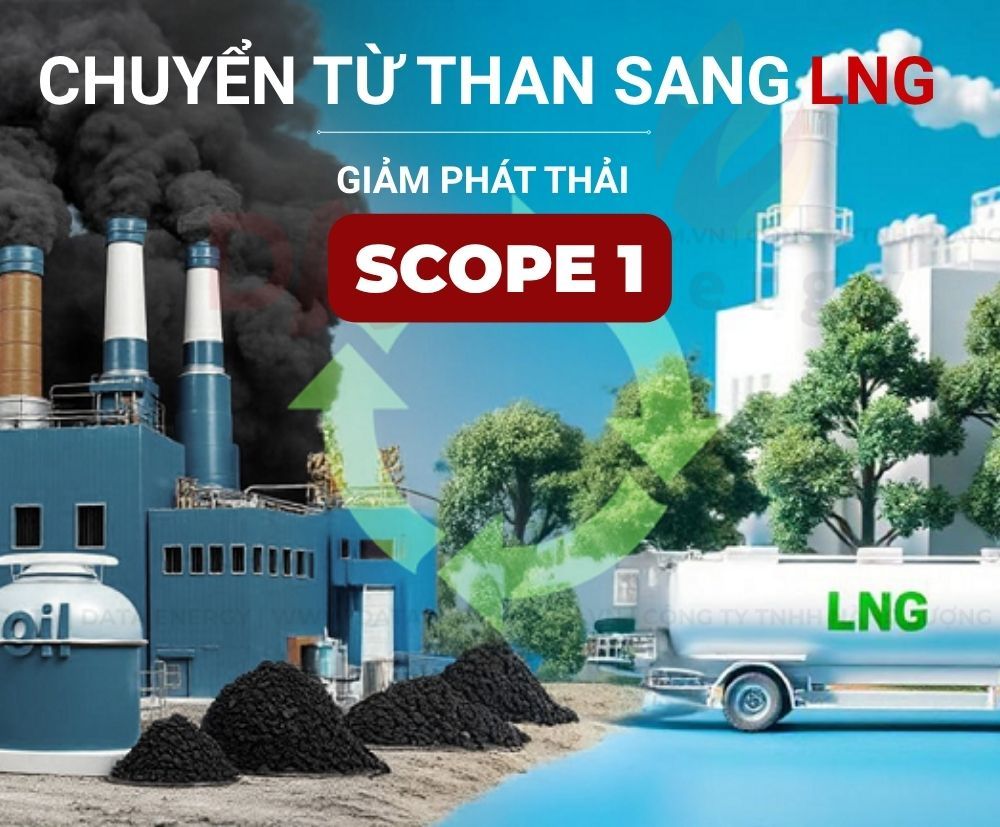
• Environmental goals: Biomass aims for carbon neutrality and is part of the circular economy. LNG is a "greener" transitional fuel than coal, offering immediate emission reductions, but requires strict methane leak control.
• Investment and operating costs: A comprehensive assessment of initial infrastructure investment costs, fuel costs, and long-term maintenance costs is necessary.
• Scale and type of application: Small and medium-sized industrial boilers are generally suitable for biomass. Large power plants, industries requiring high temperatures, or long-distance transportation often prioritize LNG.
6. The Future of Biomass and LNG in the Energy Industry
• Supply: If there is an abundant and stable local supply of agricultural/forestry by-products, biomass is an attractive option in terms of cost and sustainability. If a large-scale, stable, easily transportable, and storable energy source is needed, LNG may be more suitable.
• Environmental goals: Biomass aims for carbon neutrality and is part of the circular economy. LNG is a "greener" transitional fuel than coal, offering immediate emission reductions, but requires strict methane leak control.
• Investment and operating costs: A comprehensive assessment of initial infrastructure investment costs, fuel costs, and long-term maintenance costs is necessary.
• Scale and type of application: Small and medium-sized industrial boilers are generally suitable for biomass. Large power plants, industries requiring high temperatures, or long-distance transportation often prioritize LNG.
.jpg)
7. Conclusion
Biomass and LNG are two alternative fuels with great potential in the energy transition. Each has distinct advantages in terms of origin, environmental impact, cost, and application. The choice depends on the energy strategy, access to resources, existing infrastructure, and environmental commitment of each business or country. Understanding the differences will help in making appropriate strategic decisions, contributing to building a clean and sustainable energy future.

DATA ENERGY COMPANY LIMITED (DATA Energy)
- Supply LPG, CNG, LNG.
- Consult, Design, Install Industrial Gas System.
- Invest Gas System (LPG, CNG, LNG) for the factory.
Latest news
Related Posts