

Switching from Coal and Fuel Oil to Gas: How Much Can Exporting Factories Reduce Scope 1 Emissions?
13/10/2026From 2026, factories exporting to the EU — especially in steel, aluminum, cement, and fertilizer — face a new requirement: they must declare and prove the greenhouse gas emissions from their production processes. Emissions from on-site fuel combustion are the first area to address.
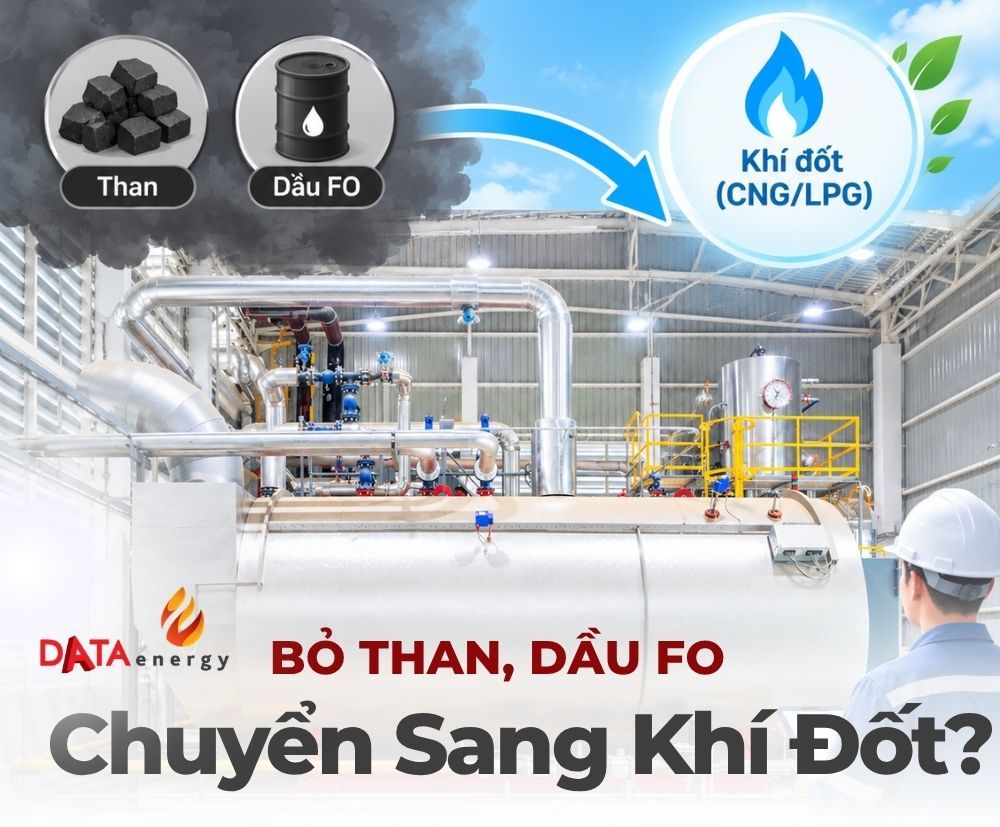
Many factories are looking for ways to reduce this figure without large capital investment. Switching fuel from coal or FO to LPG or CNG/LNG is one of the most direct and immediately measurable steps.
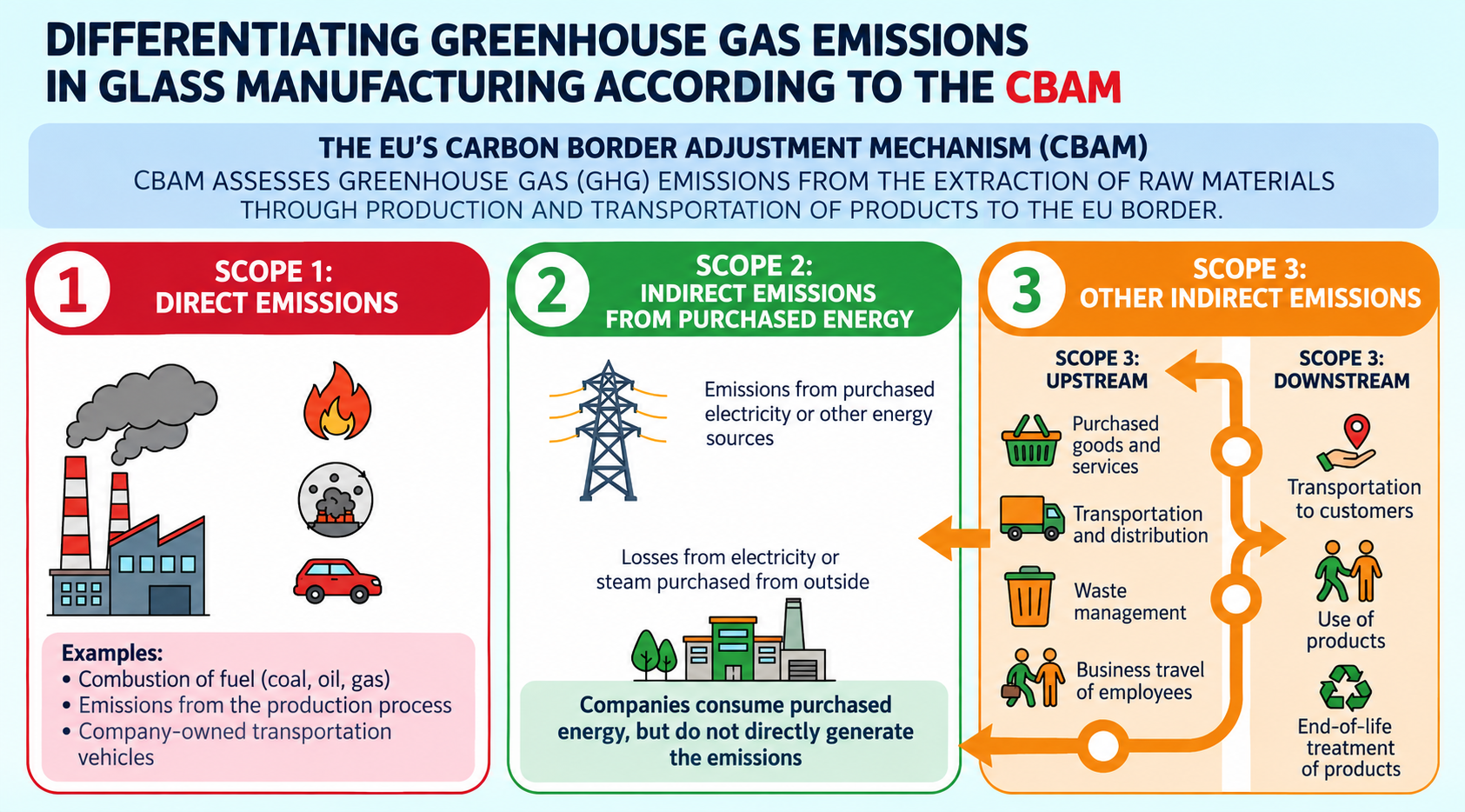
What Is Scope 1 — and Why Do Exporting Factories Need to Act Now?
Scope 1: Direct greenhouse gas emissions from the factory's own operations — including fuel combustion in boilers, kilns, dryers, and other thermal equipment. This is the portion fully under the factory's control.
CBAM (Carbon Border Adjustment Mechanism): An EU regulation effective from 01/01/2026 requiring EU importers to purchase carbon certificates equivalent to the emissions generated in producing the imported goods. Vietnamese factories exporting to the EU must declare and verify their Scope 1 emissions to determine the fee.
Initially covering steel, aluminum, cement, fertilizers, and hydrogen — with potential expansion to textiles, chemicals, and other sectors from 2030. For factories with high fuel consumption, Scope 1 from coal or FO combustion is typically the largest share of total emissions — and the most tractable to address.
Why Switching Fuel Is the Most Practical First Step
Switching combustion fuel from coal or FO to LPG or CNG/LNG offers three practical advantages:
→ Immediate impact: Every production batch after the switch carries a lower emission factor — no need to wait for a long-term project.
→ Measurable: The CO₂ reduction is calculated using internationally standardized emission factors (IPCC/IEA) — directly usable in GHG inventory reports and CBAM filings.
→ Fast to deploy: LPG or CNG infrastructure can be installed and commissioned in 4–7 weeks, often without replacing the existing burner or kiln.
How Much Reduction — Specific Numbers
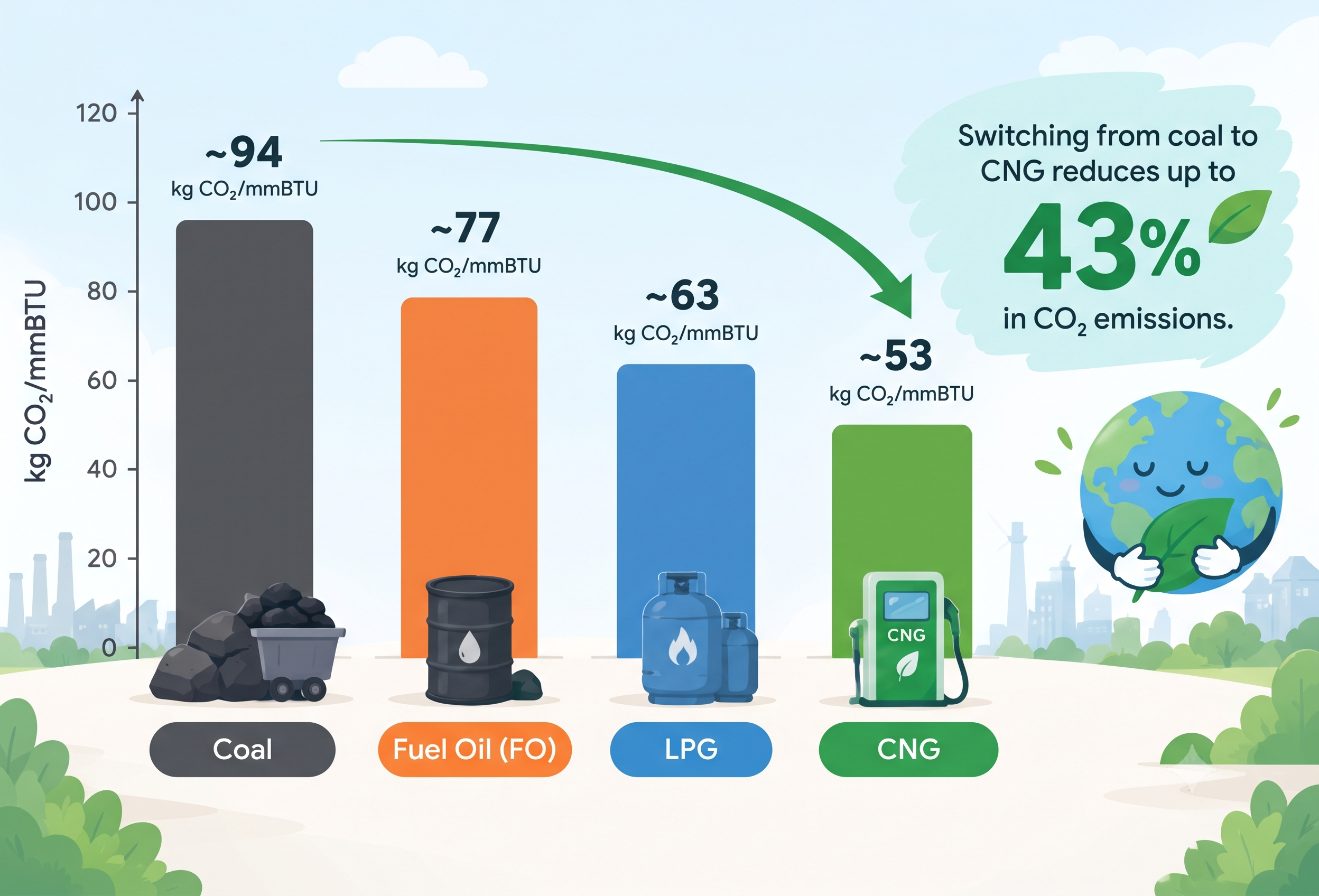
CO₂ emission factor: The amount of CO₂ released when burning one unit of fuel, expressed in kg CO₂/mmBTU or tons CO₂/ton of fuel. Standardized by IPCC and IEA for cross-fuel comparison.
Key emission factors: Coal ~94 kg CO₂/mmBTU | Fuel Oil (FO) ~77 | LPG ~63 | CNG/LNG ~53. Source: IPCC 2006 Guidelines (2019 update); IEA.
Example — factory using 100 tons of coal/month:
Current: 100 tons × 2.42 = 242 tons CO₂/month → 2,904 tons CO₂/year
→ Switch to CNG: Equivalent heat → ~163 tons CO₂/month → reduction of ~79 tons CO₂/month, ~948 tons CO₂/year (~33% reduction in Scope 1 from fuel combustion)
→ Switch to LPG: ~33% lower emission factor per mmBTU vs coal — meaningful when calculating carbon intensity (CO₂ per unit of product) for CBAM reporting
Observation from DATA Energy
Switching combustion fuel is not the only path to reducing emissions — but it is typically the most immediately actionable step for factories currently running on coal or FO. LPG or CNG infrastructure can be deployed in 4–7 weeks, and the CO₂ reduction is measurable against IPCC standard factors — sufficient for GHG inventory reports and CBAM filings submitted to EU partners.
The actual reduction depends on boiler type, capacity, and the specific coal or FO grade in use. DATA Energy can help estimate specific figures following an on-site system survey.
→ Contact Us for a Site Survey
Hotline: 028.62757005 | Ms. Oanh: 0985.142.050

DATA ENERGY COMPANY LIMITED (DATA Energy)
- Supply LPG, CNG, LNG.
- Consult, Design, Install Industrial Gas System.
- Invest Gas System (LPG, CNG, LNG) for the factory.
Latest news
Related Posts