

Fluctuating industrial gas prices — how do factories get affected and what solutions can help stabilize costs?
02/07/2026In a plant's operating budget, energy costs are often one of the largest and most difficult to control. This is even more true for plants using natural gas—LPG, CNG, or LNG—because gas prices are not fixed: they change monthly, sometimes fluctuating sharply in short periods.
Gas costs are not fixed figures.
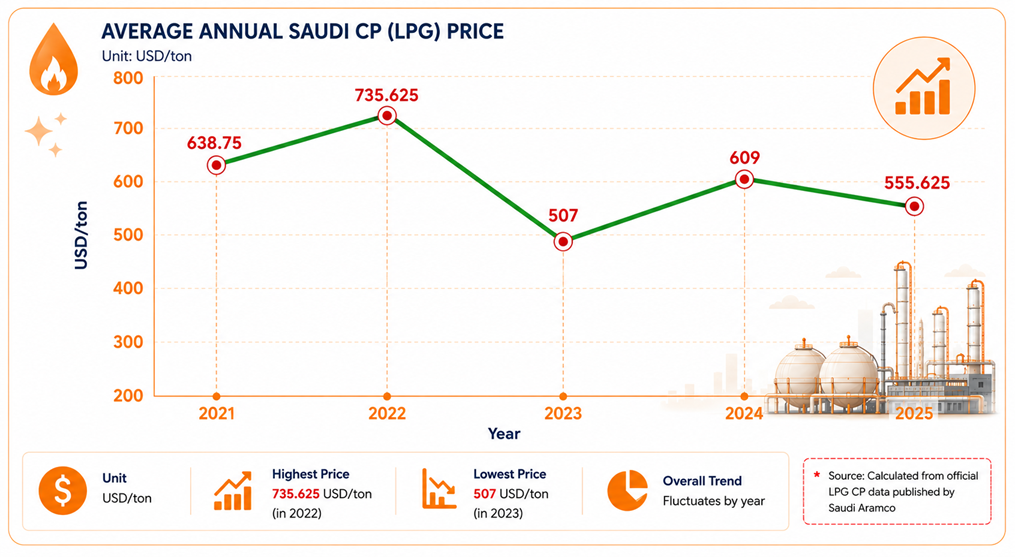
Industrial LPG prices in Vietnam are adjusted monthly, based on the CP (Contract Price) published by Saudi Aramco—an international benchmark reflecting global LPG supply and demand. Besides the CP price, the final cost a plant pays is also affected by the USD/VND exchange rate and domestic transportation costs.
CNG and LNG also have their own pricing mechanisms, but are both influenced by the international gas market. During the period 2024–2026, particularly the first half of 2026, global gas prices experienced significant fluctuations due to geopolitical conflicts, changes in energy policy in Europe, and supply events from the Middle East.
This means that the energy budget a factory prepares at the beginning of the year may deviate significantly from actual costs—not because production plans change, but because input prices fluctuate beyond control.
The extent of the impact on production costs
The extent of the impact depends on the consumption volume and the proportion of energy costs in the product cost structure of each industry.
For a factory consuming approximately 30 tons of LPG/month—a fairly common scale in the food or textile industry. For a factory consuming 150 tons/month—common in the metallurgical or mechanical industry. See the table below for the actual cost difference over the three months.
| 2026 |
CP |
VND/Kg |
30T/Month |
150T/Month |
|
January |
520 |
13,000 |
390,000,000 |
1,950,000,000 |
|
Feb |
540 |
13,500 |
405,000,000 |
2,025,000,000 |
|
April |
800 |
20,000 |
600,000,000 |
3,000,000,000 |
|
Assuming 1 USD = 25,000 VND |
||||
Clearly, in February, when the CP price increased by $20/Ton, the 30-ton plant increased its LPG costs by 15 million VND, but when geopolitical conflicts occurred, the CP price immediately... With gas prices soaring to $800, the factory would have to pay an additional 195 million VND. This figure would be truly staggering for a factory with a capacity of 150 tons of LPG per month.
In industries like ceramics, tiles, food processing, or textile dyeing, fuel costs typically account for 15–30% of total production costs. When gas prices increase by 10–15% in a quarter—which is entirely possible when CP prices fluctuate—the factory's profit margin is directly affected without any immediate compensation mechanism from customers.
The factory has difficulty controlling gas prices and supply.
This is a fundamental difference between gas costs and many other input costs. A factory can negotiate raw material prices with suppliers, optimize labor costs, or adjust production schedules to reduce electricity costs. But with gas, input prices are determined by the international market—and no single factory has enough volume to influence those prices.
The risk isn't just about price. Supply can also be disrupted. During peak oil production periods, logistical bottlenecks make it more difficult to ensure sufficient gas supplies on time. The conflict in the Middle East during March-April 2026 caused disruptions to the global LPG supply chain, directly impacting supply and prices in Vietnam.
This puts refineries in a passive position – buying at market prices at the time, with few short-term alternatives. This is because upstream storage and port facilities are also facing immediate difficulties.
Refineries strive to stabilize gas costs.
There is no solution to completely eliminate the risk of price fluctuations – but there are several approaches that can help refineries mitigate the impact and be more proactive in their cost planning.
Supply contracts with transparent pricing clauses
Instead of buying gas at market prices per shipment, many plants choose to sign long-term supply contracts with a clear pricing formula — usually the current month's CP price plus a fixed margin. This doesn't prevent international CP price fluctuations, but it eliminates unpredictable margin and creates a consistent pricing framework for budgeting.
Maintaining reasonable buffer stock
Plants with LPG tanks or CNG systems with sufficient capacity to maintain 7–14 days of production inventory have an advantage over plants that rely on continuous deliveries. When the market shows signs of price increases or supply disruptions, plants with buffer stock will not be under pressure to urgently purchase at unfavorable prices.
Monitoring CP prices to forecast costs in advance
Saudi Aramco's CP price is published at the end of each month for the following month. Plants that monitor this index and influencing factors such as crude oil prices, supply conditions from the Middle East, and winter demand from Asia can relatively predict gas costs 3–4 weeks in advance. This information helps plants adjust their cost plans in a timely manner instead of only knowing after receiving the bill.
See the latest LPG CP prices here.
Consider a flexible fuel system
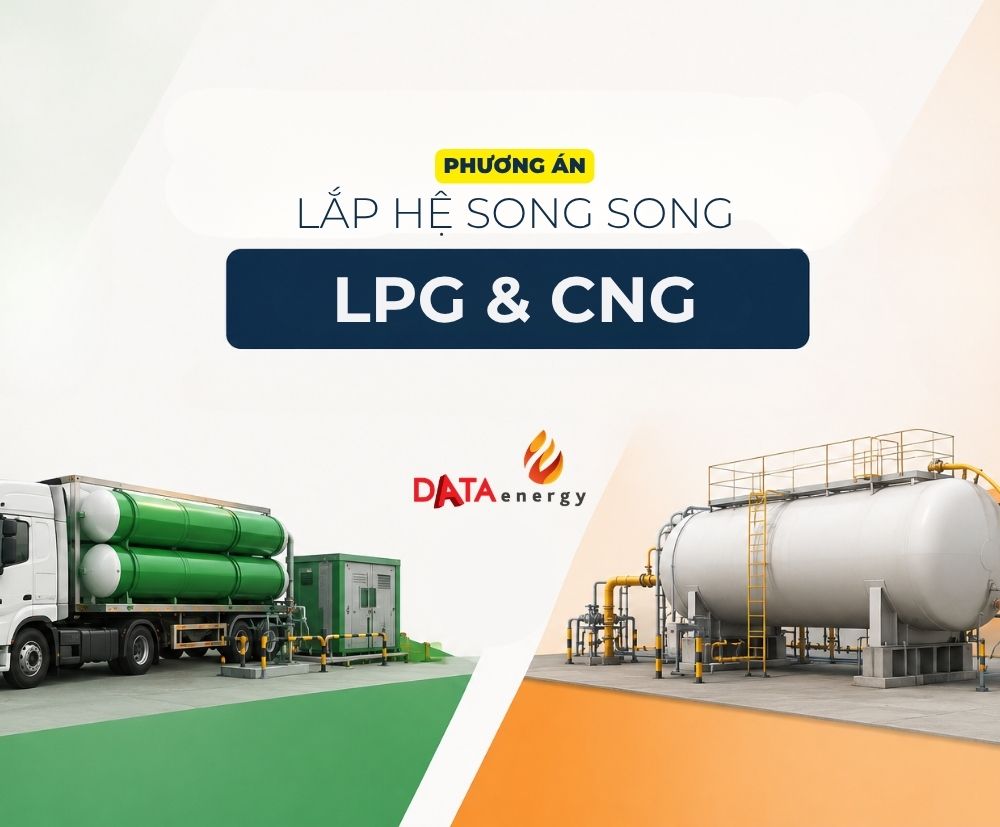
Some plants with high consumption needs implement a parallel gas supply system — for example, LPG combined with CNG — to allow for flexible adjustment of usage ratios between the two sources depending on current price levels. This approach requires higher initial infrastructure investment, but creates real leverage in price negotiations with individual suppliers.
Observation from the Gas Supplier's Perspective
Through years of working with gas production plants in Vietnam, DATA Energy has observed that plants with long-term supply contracts with clear pricing terms generally have more stable energy costs than plants that purchase on a short-term basis — not because of lower prices, but because costs are more predictable and less affected by sudden price increases.
In addition, the appropriate storage tank capacity for actual consumption is a technical factor directly affecting purchasing flexibility. Plants that invest in sufficiently large tanks from the outset will have more options when the market fluctuates.
Contact Hotline 02862.757.005 or Ms. Contact Oanh at 0985.142.050 for the latest LPG price quote.

DATA ENERGY COMPANY LIMITED (DATA Energy)
- Supply LPG, CNG, LNG.
- Consult, Design, Install Industrial Gas System.
- Invest Gas System (LPG, CNG, LNG) for the factory.
Latest news
Related Posts