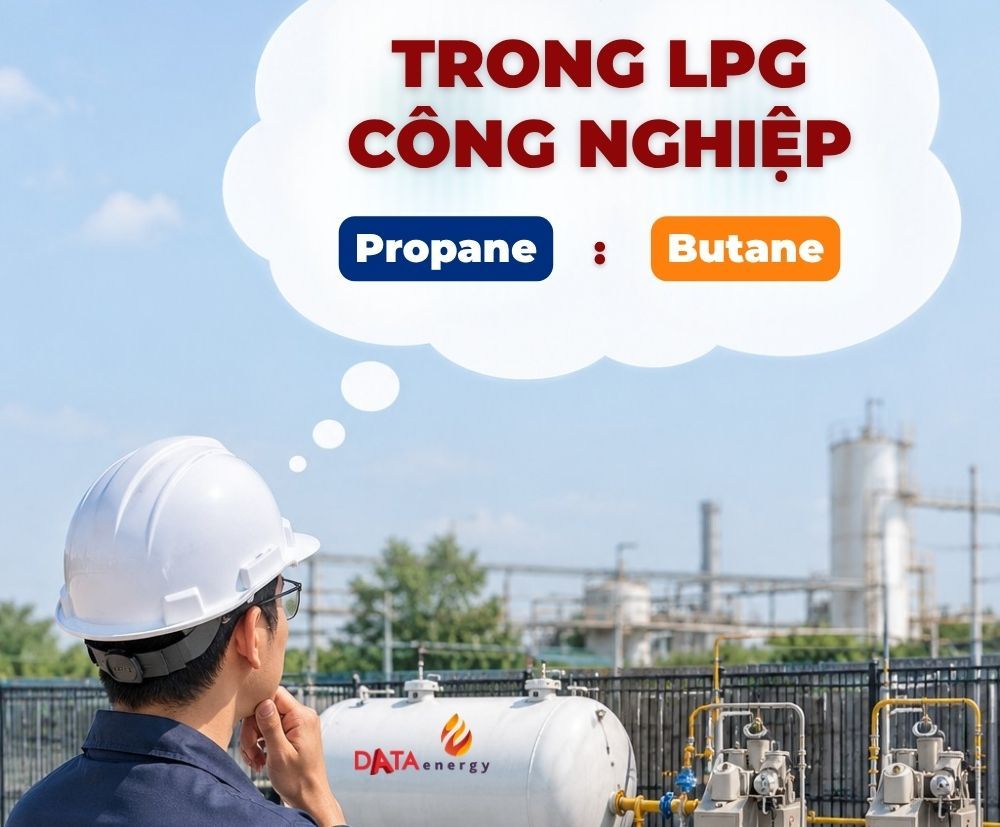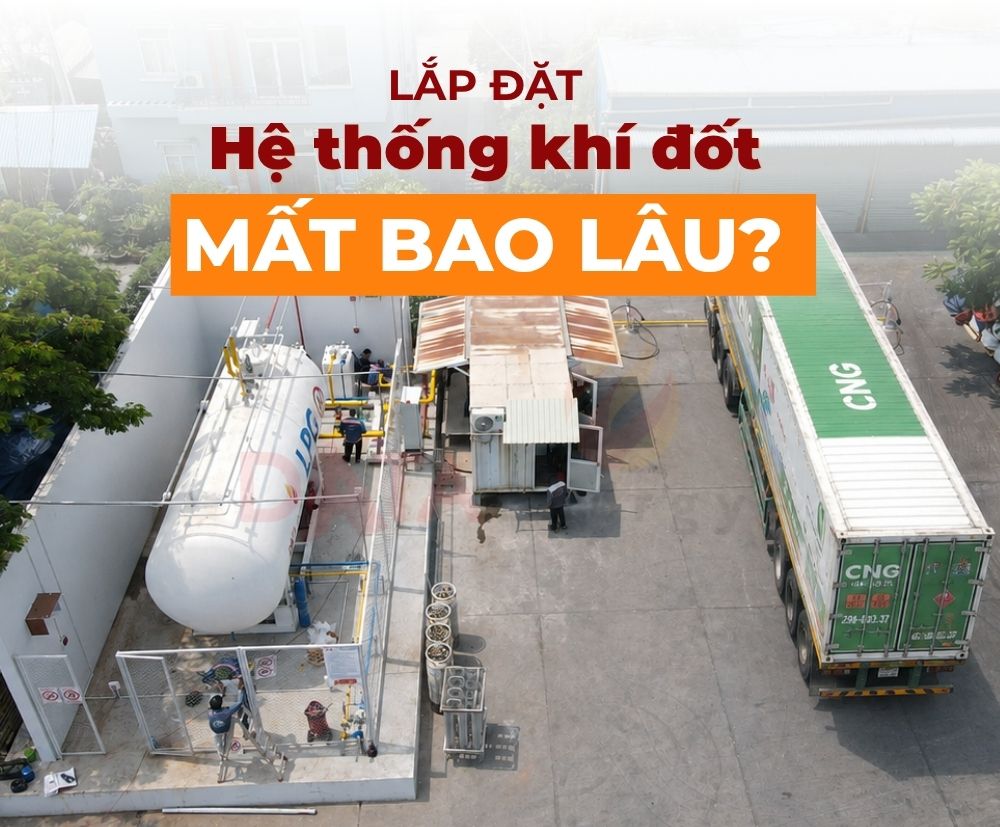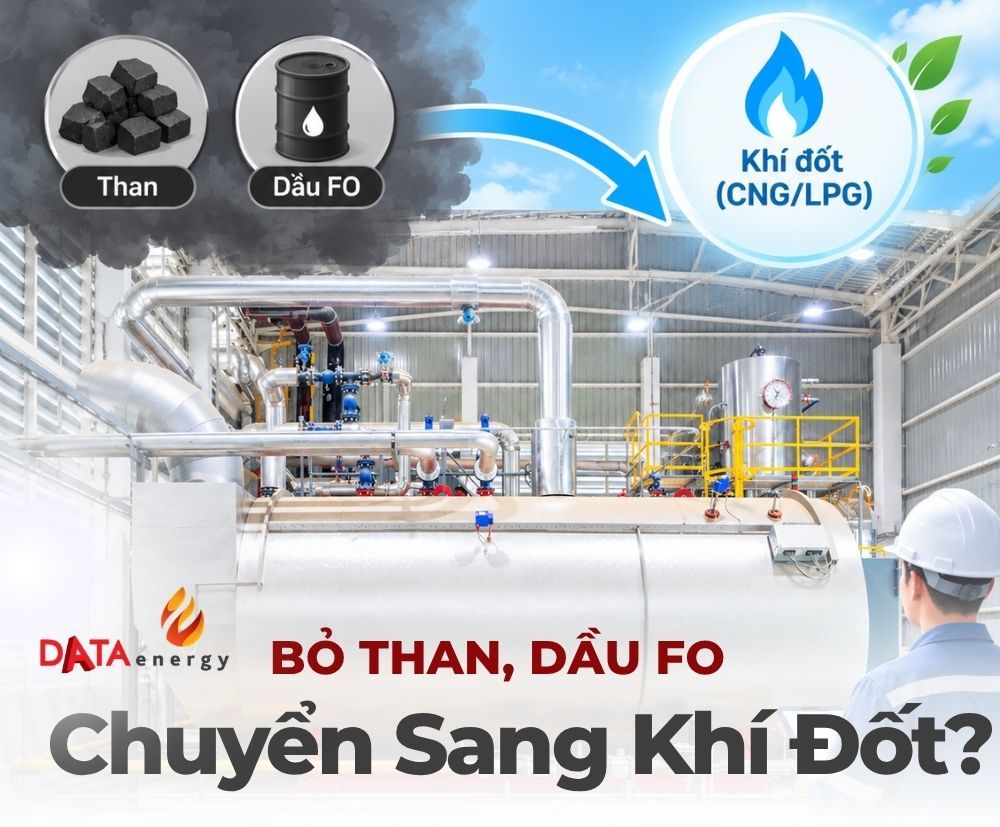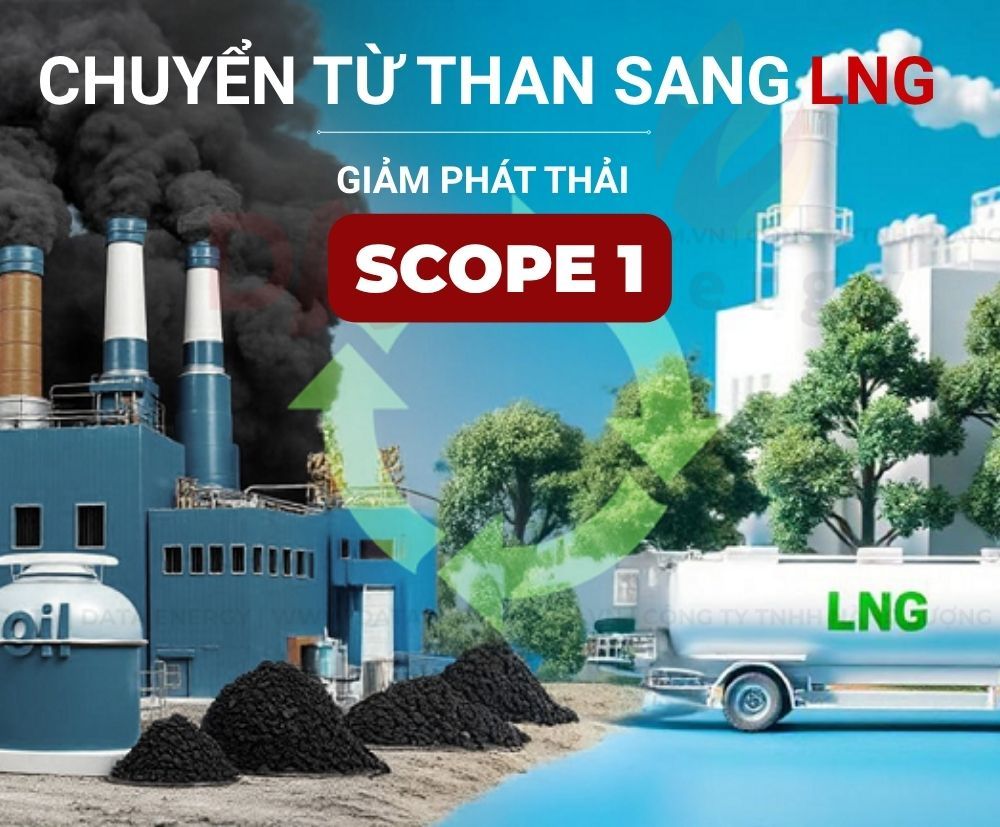


Parallel LPG + CNG supply system: A backup gas source option for the production plant.
13/10/2026The Problem: One Gas Source Means One Point of Failure
Many manufacturing plants operate successfully using a single fuel source—either LPG or CNG. The challenge is not the fuel itself, but what happens when that supply is unexpectedly interrupted.
-
LPG deliveries may be delayed during peak seasons due to transportation shortages.
-
CNG prices can spike unexpectedly as natural gas prices fluctuate with global energy markets.
-
A gas supplier may experience operational disruptions without prior notice.
In any of these situations, the factory has only one option: wait.
The financial impact of an unplanned production shutdown—including reheating boilers or furnaces, scrapping work-in-progress products, and missing customer delivery deadlines—often far exceeds the investment required for a backup fuel supply system.
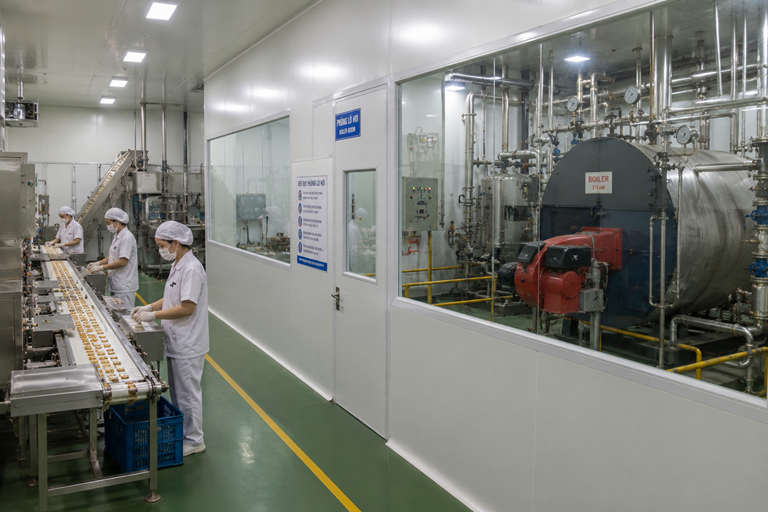
How Does a Parallel LPG + CNG System Work?
A parallel gas supply system connects both LPG and CNG to the same combustion equipment through an automatic fuel changeover valve.
The operating principle is straightforward:
-
Normal operation: One fuel source operates as the primary supply while the other remains on standby.
-
If the primary supply is interrupted: The automatic changeover valve switches to the backup fuel immediately, allowing boilers, furnaces, or thermal equipment to continue operating without shutdown.
-
When both supplies are available: The plant can optimize fuel consumption by adjusting the proportion of LPG and CNG based on monthly market prices, helping reduce operating costs and improve procurement flexibility.
This dual-fuel configuration not only improves operational reliability but also provides greater flexibility in energy management.
Case Study: Aluminum Plant Consuming 150 Tons of LPG per Month
One aluminum manufacturing plant consumes approximately 150 tons of LPG every month to operate its continuous melting furnaces. Because molten aluminum cannot be allowed to solidify, the furnaces must run continuously without interruption.
During a period of significant LPG market volatility, the plant faced two major risks:
-
Potential supply shortages
-
Rapid increases in LPG prices
Both threatened continuous production and operating costs.
DATA Energy proposed installing a parallel CNG supply system while maintaining LPG as the primary fuel due to its favorable operating economics.
Under this configuration:
-
LPG continues serving as the primary fuel.
-
CNG functions as a standby fuel source.
-
When LPG prices rise significantly, part of the thermal load can be switched to CNG, allowing the factory to optimize fuel costs without interrupting production.
Is a Parallel Fuel System Right for Your Factory?
A parallel LPG and CNG system is particularly suitable for factories that meet one or more of the following conditions:
✔ Consume more than 100 tons of LPG per month, or an equivalent energy demand of approximately 4,691.785 MMBtu.
✔ Operate continuous production processes such as:
-
Steam boilers operating 24/7
-
High-temperature industrial furnaces
-
Production lines requiring stable thermal energy without interruption
✔ Operate in industries where production downtime results in significant financial losses, including:
-
Food processing
-
Textile and dyeing
-
Ceramics
-
Rubber manufacturing
-
Chemical production
✔ Have sufficient available land to install an additional LPG storage tank or CNG station while complying with fire safety clearance requirements.
Typical Space Requirements
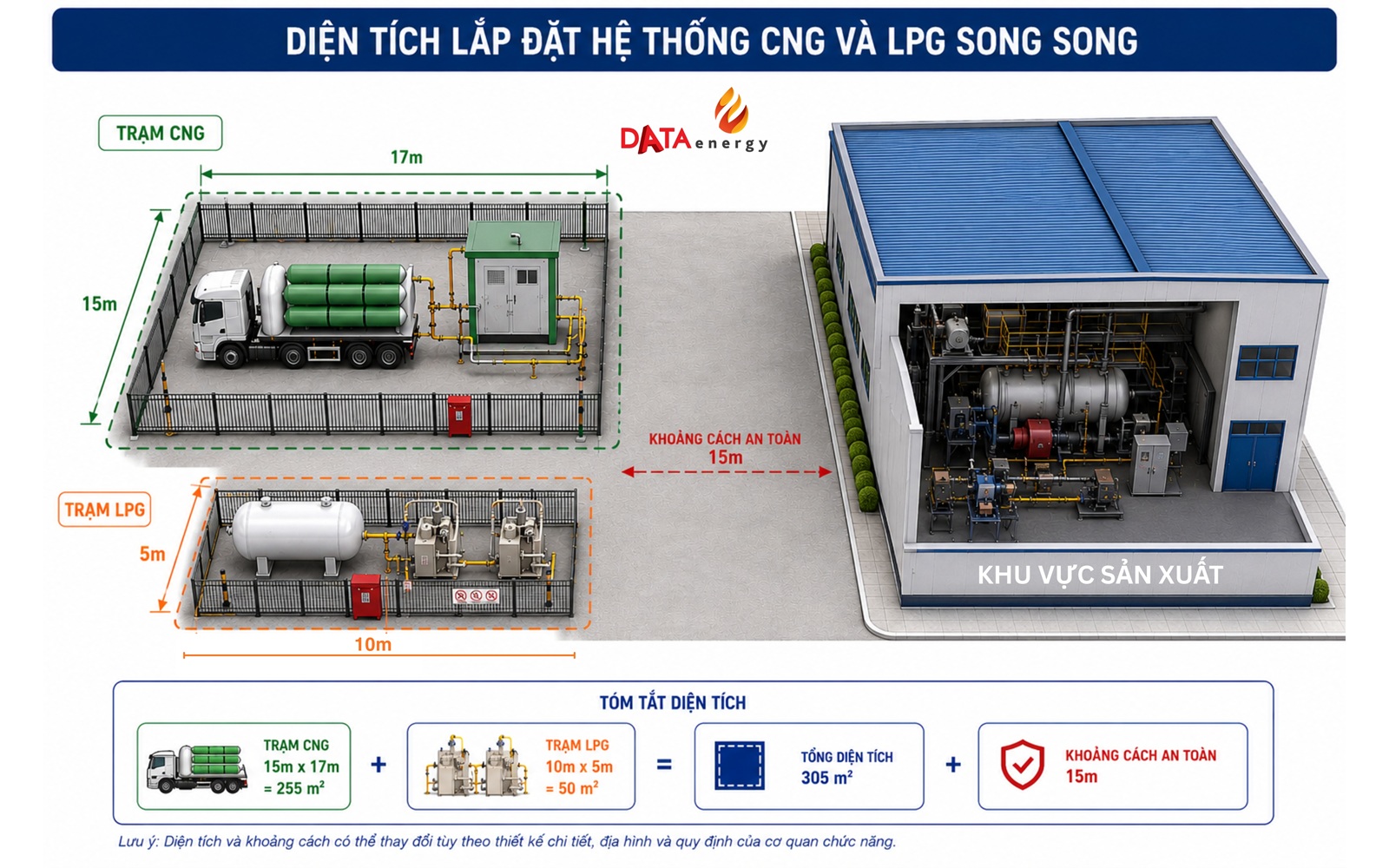
A typical CNG Station installation may require the following footprint: Capacity: 1,500 Sm³/h, Installation area: 15 × 17 m, Total area: 255 m²
A LPG System with capacity: 200 kg/h, Storage tank: 10 MT, Minimum installation area: 10 × 5 m, Total area: 50 m²
Therefore, installing both systems in parallel requires approximately: 255 m² + 50 m² = 305 m²
This calculation does not include the required 15-meter fire safety clearance between the gas installation and occupied production buildings.
DATA Energy's Implementation Process
1. Site Survey
DATA Energy engineers visit the factory to evaluate the existing gas supply system, fuel consumption, combustion equipment, and available installation area.
2. System Design
A preliminary engineering proposal is prepared based on the customer's production capacity and budget, including: Storage tank sizing, Automatic changeover valve selection, Process flow diagram (PFD), Piping and connection layout.
3. Installation
DATA Energy's technical team performs the complete installation.
Depending on project size and site conditions, installation typically requires 6–8 weeks.
4. Testing and Commissioning
Before commissioning, the completed system undergoes inspection, acceptance, and fire safety approval in accordance with Vietnam's Decree No. 105/2025/ND-CP.
For technical consultation or a customized quotation, please contact: Hotline: +84 2862 757 005 | Ms. Oanh: +84 985 142 050
Our engineering team will help you evaluate the most suitable dual-fuel solution for your production facility.

DATA ENERGY COMPANY LIMITED (DATA Energy)
- Supply LPG, CNG, LNG.
- Consult, Design, Install Industrial Gas System.
- Invest Gas System (LPG, CNG, LNG) for the factory.
Latest news
Related Posts