

What is the Wobbe Index? An important indicator when switching between LPG, CNG, and LNG fuels.
10/06/2026What is the Wobbe Index?
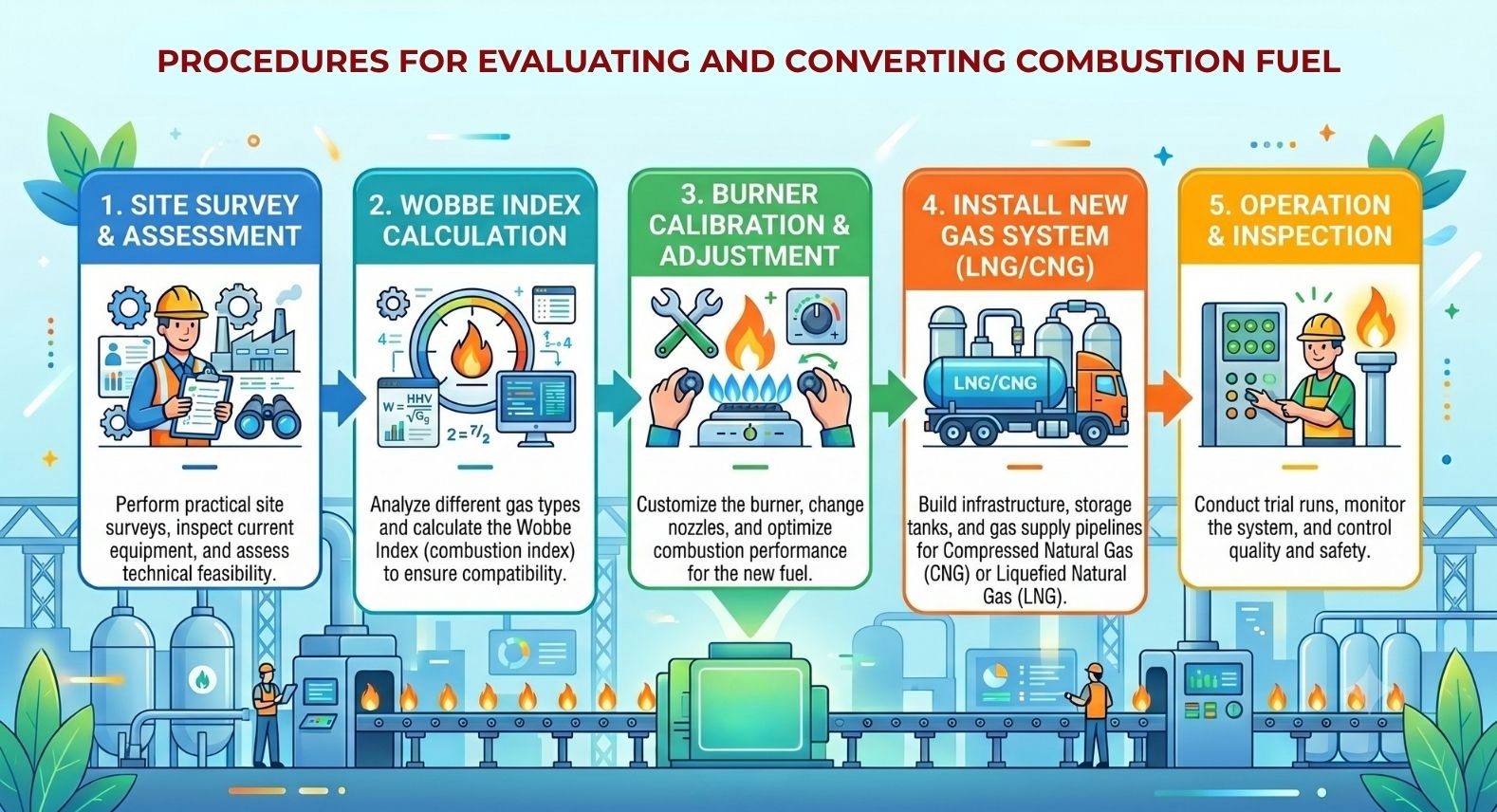
When businesses consider switching fuel sources from LPG to LNG or CNG, one of the most important technical parameters to evaluate is the Wobbe Index.
The Wobbe Index is an indicator of the amount of energy a fuel gas can deliver through the same burner under the same pressure conditions. It's the basis for determining whether one gas can replace another without significantly altering the combustion equipment.
Simply put, if two gases have equivalent Wobbe Indexes, the burner's performance after the fuel switch will generally be more stable.
Why is the Wobbe Index important when switching fuel sources?
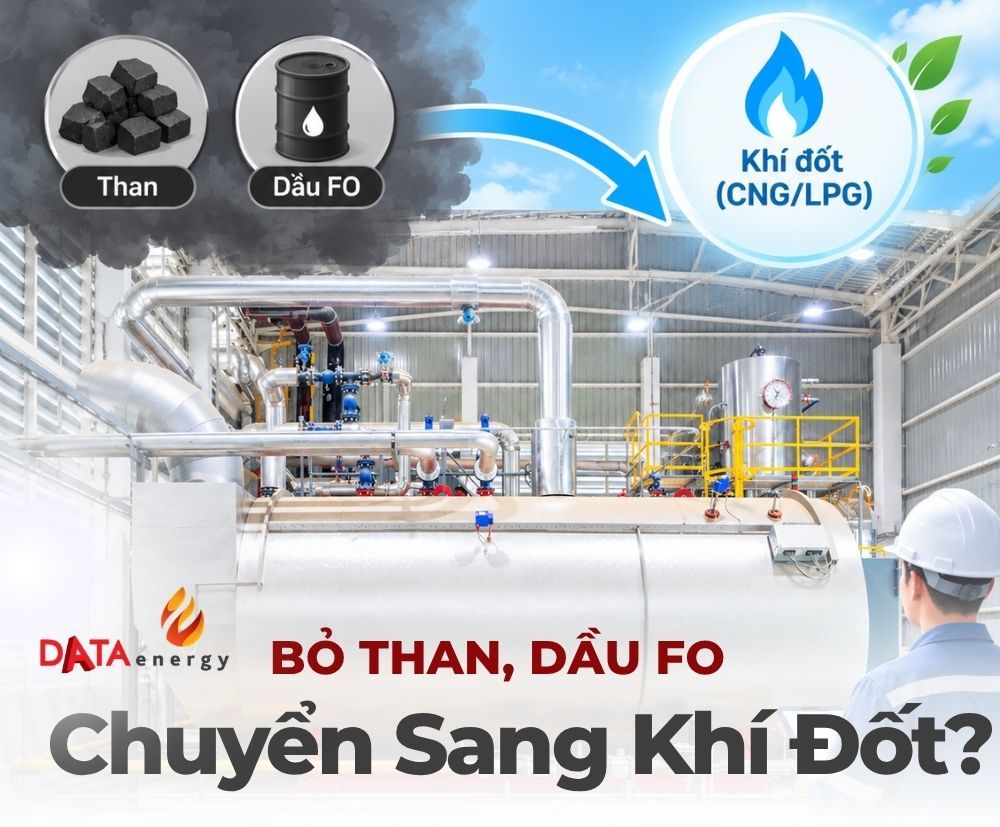
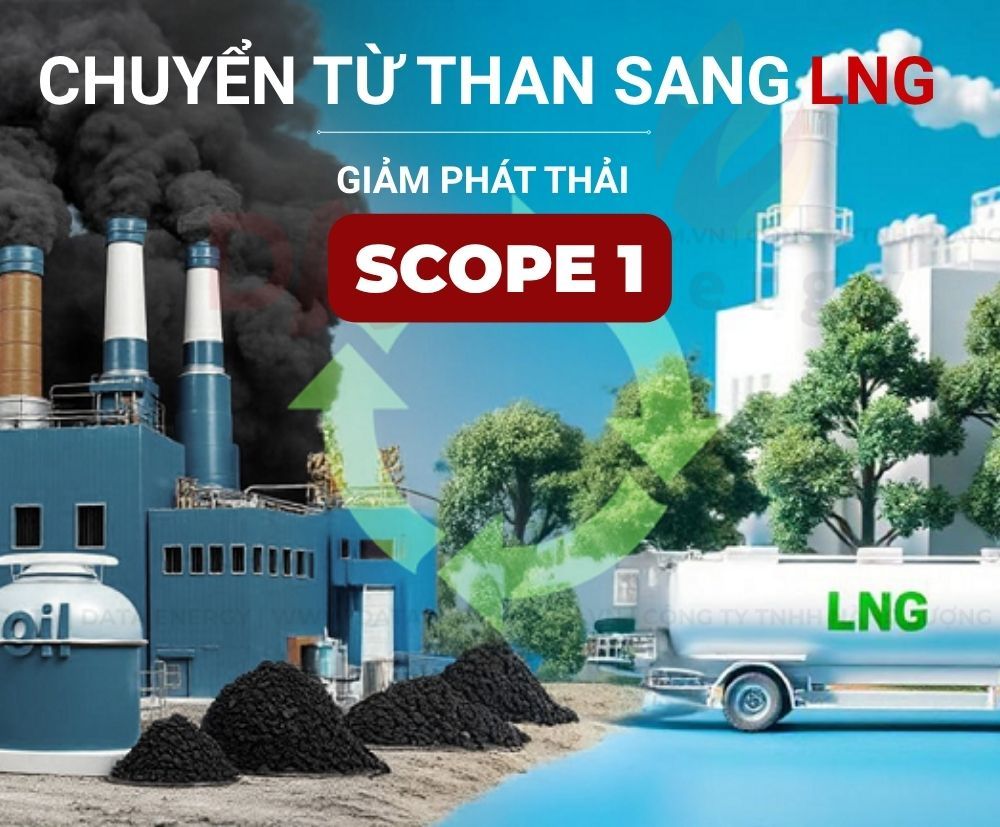
Many plants are currently considering switching from LPG to LNG or CNG to reduce operating costs and carbon emissions.
However, simply changing the fuel source doesn't guarantee the system will function normally. Each type of gas has a different chemical composition, calorific value, and density, leading to different gas flow rates and combustion characteristics.
If the Wobbe Index difference is too large, the system may experience problems such as:
* Unstable flame.
* Reduced equipment power.
* Reduced combustion efficiency.
* Increased exhaust emissions.
* Risk of operational safety issues.
Therefore, evaluating the Wobbe Index is often the first technical step before switching fuels.
Comparison of Wobbe Index of LPG, LNG, and CNG
|
Gases |
LPG |
LNG |
CNG |
|
Wobbe Index |
45 – 55 MJ/Nm³ |
48 – 58 MJ/Nm³ |
75 – 90 MJ/Nm³ |
Calculation Formula: 
IW: Wobbe Index.
Vc: Calorific value by volume.
G: Relative density of fuel gas (density relative to air = 1).
It can be seen that LPG generally has a significantly higher Wobbe Index than LNG and CNG. This is why many burner systems using LPG need to be surveyed and adjusted when switching to LNG or CNG.
Does switching from LPG to LNG or CNG require replacing the burner?
The answer depends on the degree of Wobbe Index difference and the design of the combustion system.
For modern burners with the ability to flexibly adjust the air-fuel ratio, the conversion usually only requires adjusting or changing some components such as:
* Nozzles.
* Pressure regulating valve.
* Combustion control system.
* Air-gas ratio control program.
Conversely, for older burners or equipment requiring high thermal accuracy, upgrading or replacing the burner may be necessary.
Factors to Consider Beyond the Wobbe Index
Although the Wobbe Index is a very important indicator, it is not the only factor determining fuel interchangeability.
Businesses also need to consider:
* Fuel calorific value. See the table of fuel calorific values.
* Methane, propane, and butane gas composition.
* Gas supply pressure.
* Flame temperature.
* Equipment power requirements.
* Emission and environmental requirements.
A comprehensive assessment will help determine the most suitable LPG to LNG or CNG conversion option for each production line.
Conclusion
The Wobbe Index is a crucial technical parameter for evaluating the interchangeability between different fuel gases. In projects converting LPG to LNG or CNG fuel, this index plays a fundamental role in determining burner compatibility and system operational stability.
Therefore, before implementing any fuel conversion project, businesses should conduct a technical survey and calculate the Wobbe Index to ensure investment efficiency, operational safety, and optimized energy costs.

DATA ENERGY COMPANY LIMITED
- Consulting, design, installation, and construction of industrial gas systems.
- Investment in gas systems for factories.
- Supply of LPG, CNG, and LNG.
Hotline: 028.62757005 Email: info@datagroup.com.vn
Latest news
Related Posts